
When most people picture someone with sleep apnea, they imagine a middle-aged man who snores loudly and carries extra weight. That’s the stereotype. And like most stereotypes, it leaves a lot of people out.
Women get sleep apnea too. Millions of them. But their symptoms often look different, so they get missed. They get told they’re just stressed. They get told it’s hormones. They’re told to relax and get more sleep, even though sleep is the very thing they can’t seem to get.
At MAC Dental, we see this happen far too often. Women come in for a routine cleaning exhausted and frustrated, never once considering that sleep apnea could be the reason.
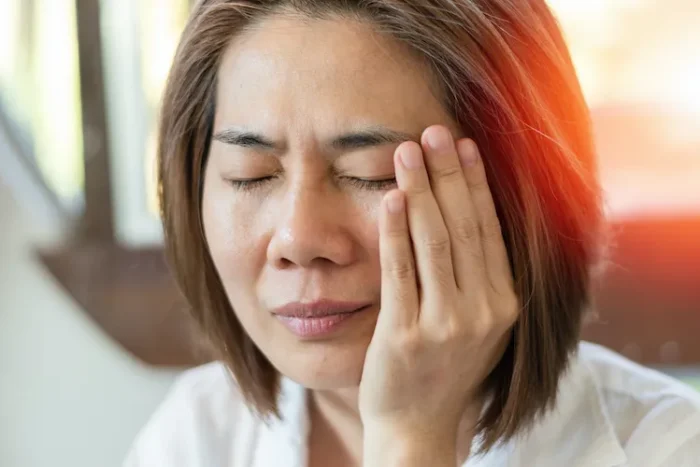
The Symptoms Women Don’t Expect
Men with sleep apnea typically snore loudly and feel sleepy during the day. Women often don’t show those signs. Instead, women with sleep apnea are more likely to report:
- Insomnia or trouble staying asleep
- Waking up with headaches
- Feeling tired but wired
- Mood changes, irritability, or symptoms that look like depression
- Brain fog or trouble concentrating
Plenty of women with sleep apnea don’t snore at all, or they snore so softly that no one notices. That’s a big reason they slip through the cracks.
Why Women Get Overlooked
When a woman walks into a doctor’s office and says she’s exhausted, can’t sleep, and feels foggy all day, what does she usually hear?
- It’s stress.
- It’s anxiety.
- It’s perimenopause.
- It’s depression.
Sometimes those things are true. But sometimes they’re covering up a breathing problem that’s been disrupting her sleep for years.
Studies have shown that women with sleep apnea are diagnosed later than men. They’re also more likely to be misdiagnosed with depression or anxiety first. The average woman with sleep apnea may see several providers before anyone orders a sleep study.
That’s not because doctors don’t care. It’s because the textbook description of sleep apnea was built around men. Women’s symptoms just don’t match the checklist.
The Hormone Factor
Hormones play a role in how sleep apnea shows up in women. Before menopause, women have some natural protection. Progesterone helps keep the airway open during sleep. That’s part of why sleep apnea is less common in younger women.
But after menopause, that protection fades. The risk of sleep apnea rises sharply. In fact, women over 50 are at nearly the same risk as men of the same age. And many women in that age group are already dealing with hot flashes, night sweats, and disrupted sleep from menopause. So when they mention sleep problems, everyone nods and says, “That’s menopause.” No one digs deeper.
What We Look For at MAC Dental
This is where our role matters. We aren’t here to diagnose sleep apnea. But we can spot warning signs in your mouth and ask the questions no one else asks.
During a routine exam, we look for things like:
- Worn or flattened teeth from grinding
- Scalloped edges on the tongue
- A small or recessed jaw
- Signs of mouth breathing
- Dry mouth or throat irritation
If we see these signs and you mention fatigue, we’ll bring it up and ask about your sleep. We’ll ask if anyone has mentioned snoring. We’ll ask if you wake up feeling rested.
And if we suspect sleep apnea, we’ll help you take the next step. That might mean a referral for a sleep study or a conversation about oral appliance therapy.
You Deserve Answers
If you’ve been told your exhaustion is just stress, or if you’ve been blaming yourself for not sleeping well, it might not be your fault. There might be a real, treatable reason behind your fatigue.
Call us at 417.725.3200 or request an appointment online. We’ll listen, take a look, and help you find the answers you deserve.